Rooftop unit (RTU) service, Dallas-Fort Worth
The rooftop units on your building are our entire focus.
Packaged rooftop units (RTUs) are what most DFW commercial buildings run on, and what most residential crews get wrong. We place you with techs who service RTUs every day.
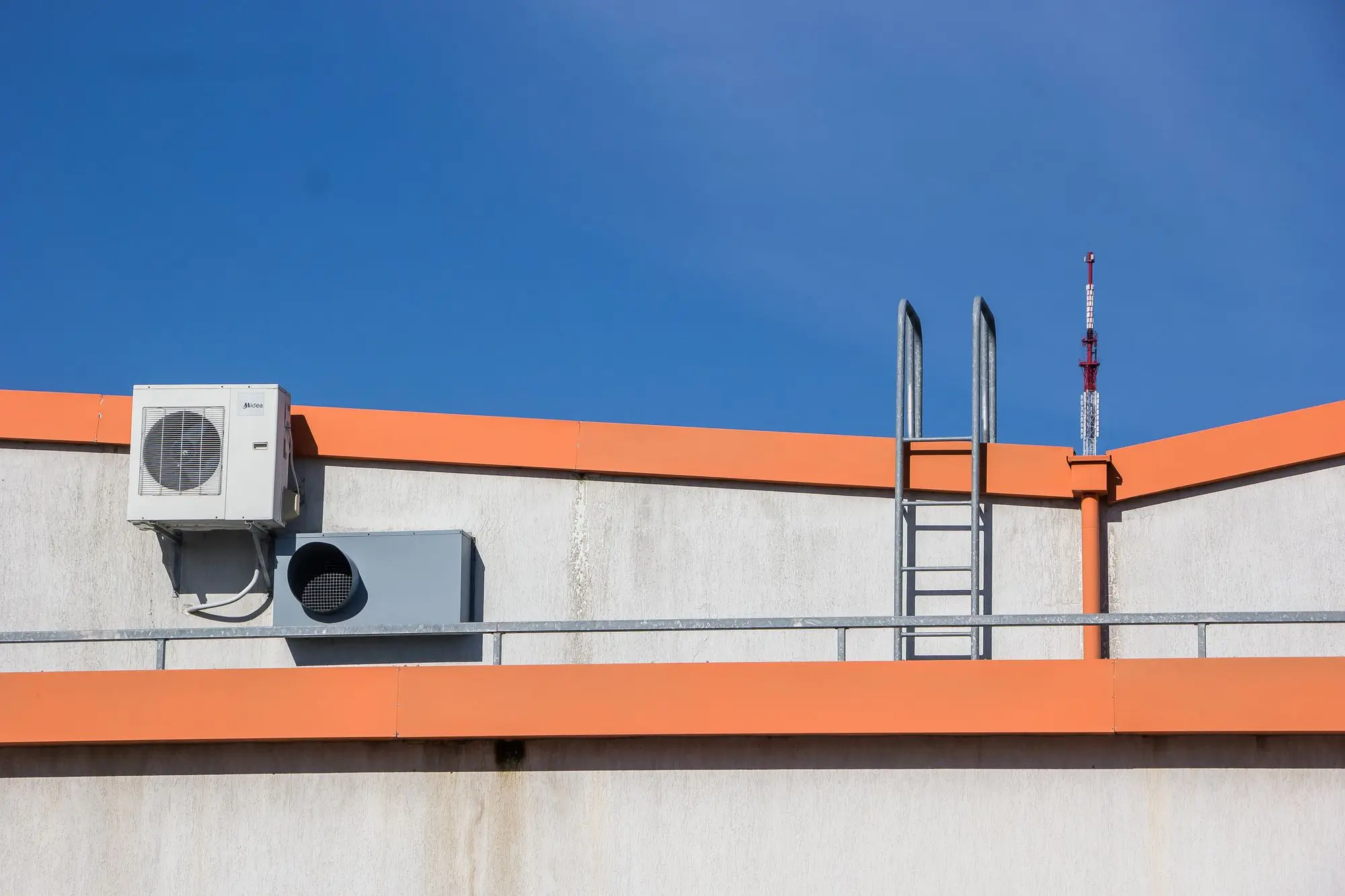
A rooftop unit (RTU) is the packaged HVAC system that sits on your roof and conditions a zone of your building: compressor, coils, economizer, and controls in one curb-mounted cabinet. We connect you with commercial-only Dallas contractors who repair, tune, and replace RTUs, the equipment most facility managers depend on and most residential companies are not built to service.

What rooftop unit service covers
- Diagnosis and repair of the compressor, coils, economizer, and controls
- Belt, motor, and bearing service before a hot-day failure
- Economizer and damper repair so free cooling actually works
- Refrigerant, electrical, and condensate service
- Right-sized RTU replacement when a unit is past saving
When a rooftop unit needs attention
Get an RTU looked at when:
- A zone served by one rooftop unit will not hold temperature
- The economizer is stuck, so you run compressors when you should not
- Belts are squealing or a motor is running hot
- Condensate is backing up toward a ceiling
- The unit is older than 15 years with rising bills
Most DFW offices, retail centers, and restaurants run on RTUs, and they live in brutal sun and heat. We keep this RTU-focused and commercial-only, because the curb-mounted packaged unit on your roof is a different machine than the split system in a house, and it deserves a tech who treats it that way.
Common questions
What is a rooftop unit (RTU)?
A rooftop unit, or RTU, is a self-contained packaged HVAC system mounted on a commercial roof. It holds the compressor, coils, fans, economizer, and controls in one curb-mounted cabinet and conditions a zone of the building. Most DFW commercial buildings run on one or more RTUs.
How often should a rooftop unit be serviced?
Plan on two to four preventive maintenance visits a year for a commercial rooftop unit: a cooling-season and a heating-season visit at minimum, more for high-use or multi-tenant buildings. Regular service catches the cheap failures (belts, capacitors, contactors) before they cause a no-cool.
What is the difference between commercial and residential HVAC?
Commercial HVAC is larger, usually roof-mounted (RTUs), and built for bigger loads, multiple zones, and code requirements homes do not have. It needs technicians trained on commercial equipment and controls. That is why we place you only with commercial-only specialists, not a residential company working above its depth.
Related commercial HVAC services
Maintenance Plans (PMA)
The plan that prevents most of these calls
Commercial HVAC Repair
Commercial HVAC repair, Dallas-Fort Worth
Commercial AC Repair
Commercial AC repair, Dallas-Fort Worth
HVAC Replacement
Commercial HVAC and RTU replacement, Dallas-Fort Worth
Emergency Service
Emergency commercial HVAC, Dallas-Fort Worth
Start with the building and equipment details.
Share the unit count, age range, service history, and current concern. The screening result helps organize the next conversation, but it is not an inspection, diagnosis, or promise of contractor availability.